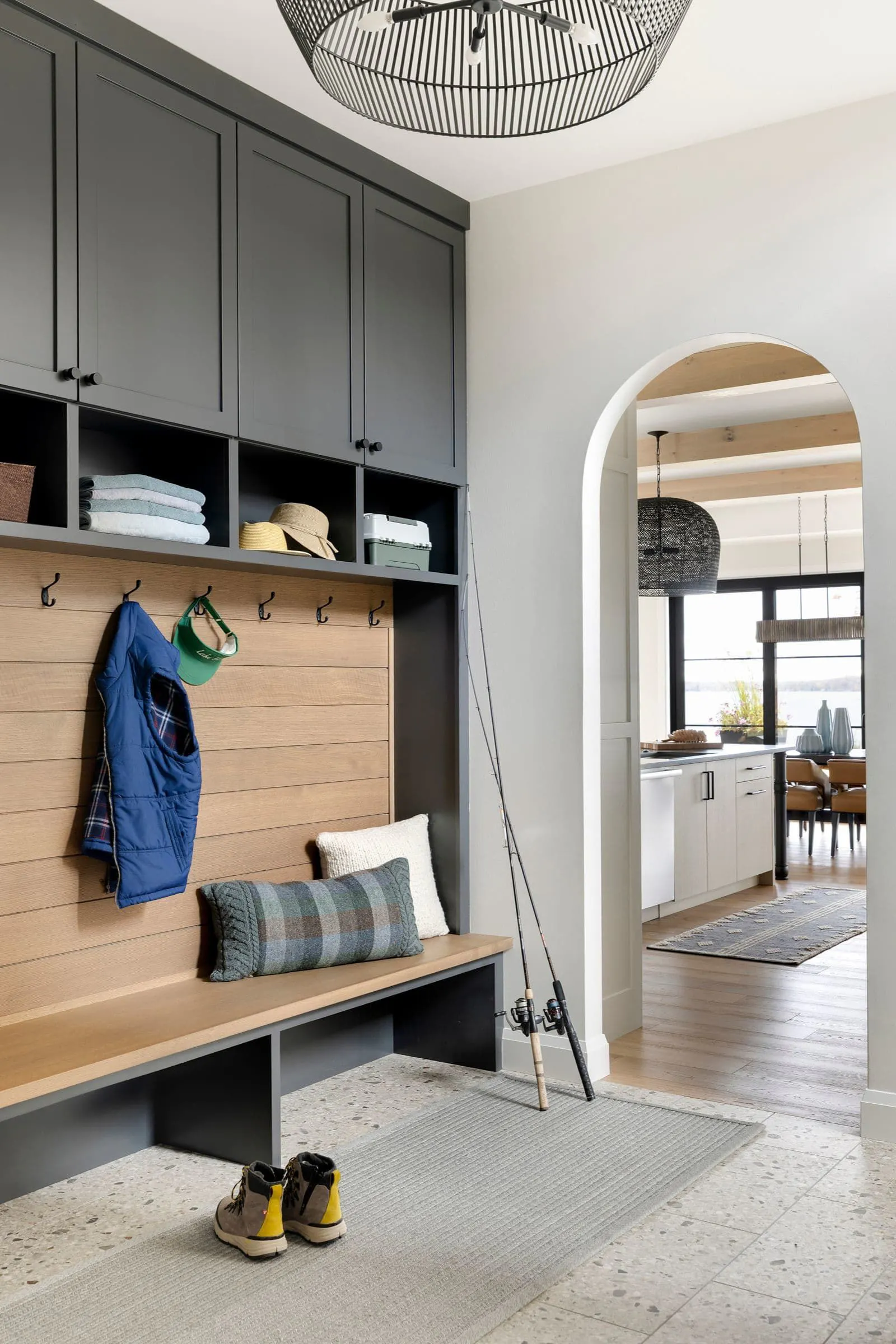
Mudrooms Designed for Real Life

Brandi hagen


Built for Changing Seasons
Mudrooms go beyond just storage. They’re one of the hardest working spaces in the home, helping manage the transition between indoors and out through every season. A well-designed mudroom evolves with those routines rather than constantly fighting them. Thoughtful layouts, durable materials, and intentional storage solutions help create a space that supports everyday life while still feeling connected to the overall design of the home.

Designing Around Everyday Routines
Mudrooms experience every season first.
Winter boots. Spring rain gear. Summer towels. Fall backpacks and sports equipment. A thoughtfully designed mudroom helps manage the constant transition without overwhelming the rest of the home.
Designer Insight:
One mistake we often see is prioritizing open shelving without thinking through what actually needs to be stored. Open storage works best when paired with closed cabinetry to help keep everyday clutter from taking over the space.
Make Room for It
Mudrooms don’t always naturally exist. Often, creating one means rethinking the layout and prioritizing how the home is actually used day to day.
In this project, we reworked the layout to create a dedicated mudroom directly off the garage entrance, turning an undefined pass-through into a functional everyday entry.
Designer Insight:
One of the biggest mistakes we see is treating the mudroom as an afterthought. Especially when you are reworking your home's layout, giving just a few extra feet in the right location can dramatically improve how a home functions day to day.

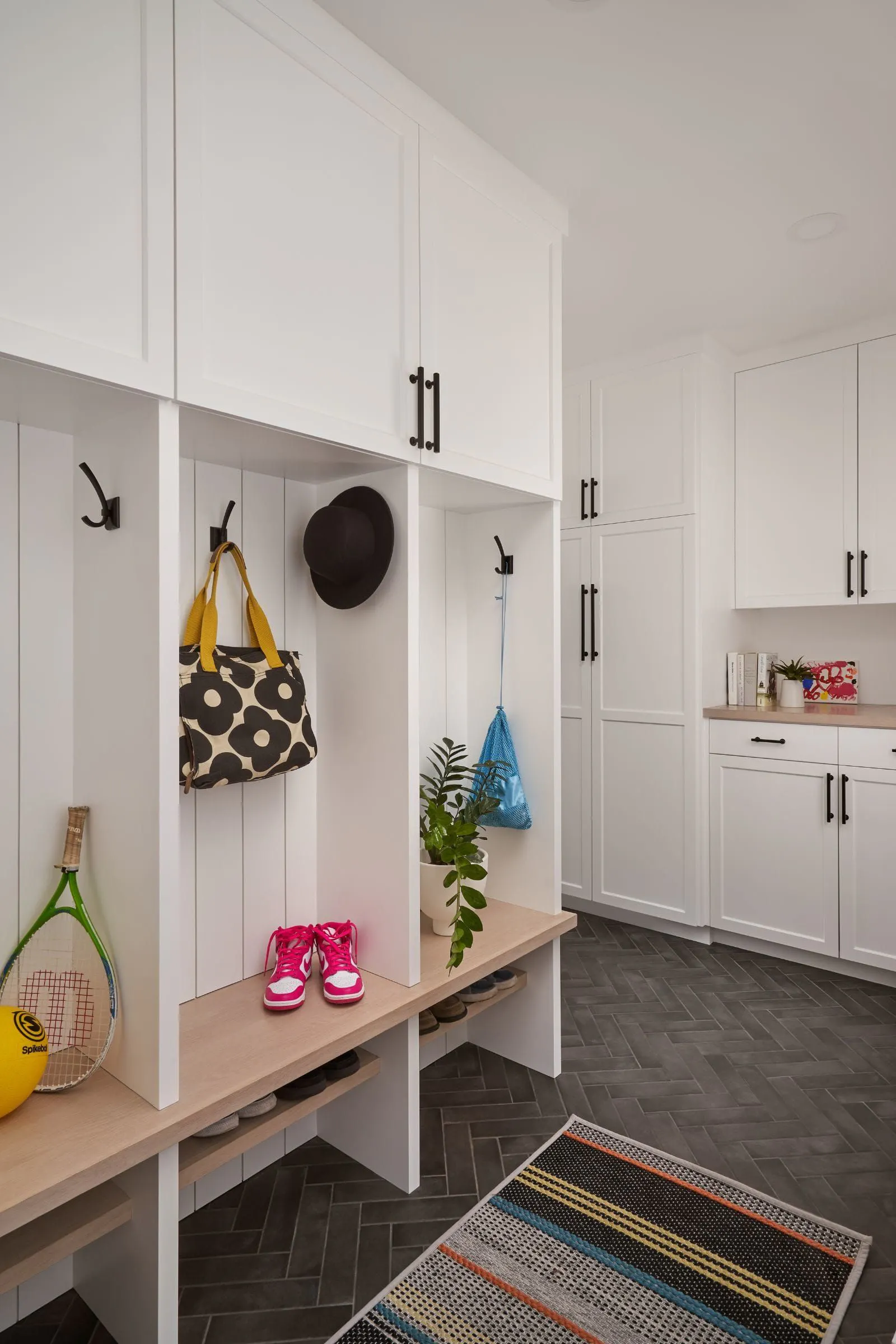
Sneak in Laundry
Mudrooms and laundry rooms naturally go hand in hand, especially in active homes or lake homes where towels, muddy clothes, and outdoor gear are part of everyday life.
The key is making the space feel intentional, not overly utilitarian.
Designer Insight:
Combining laundry and mudroom spaces works especially well because both rooms support transitional routines. We often design these spaces together because they naturally support one another — especially for busy families, lake homes, or homes with pets.
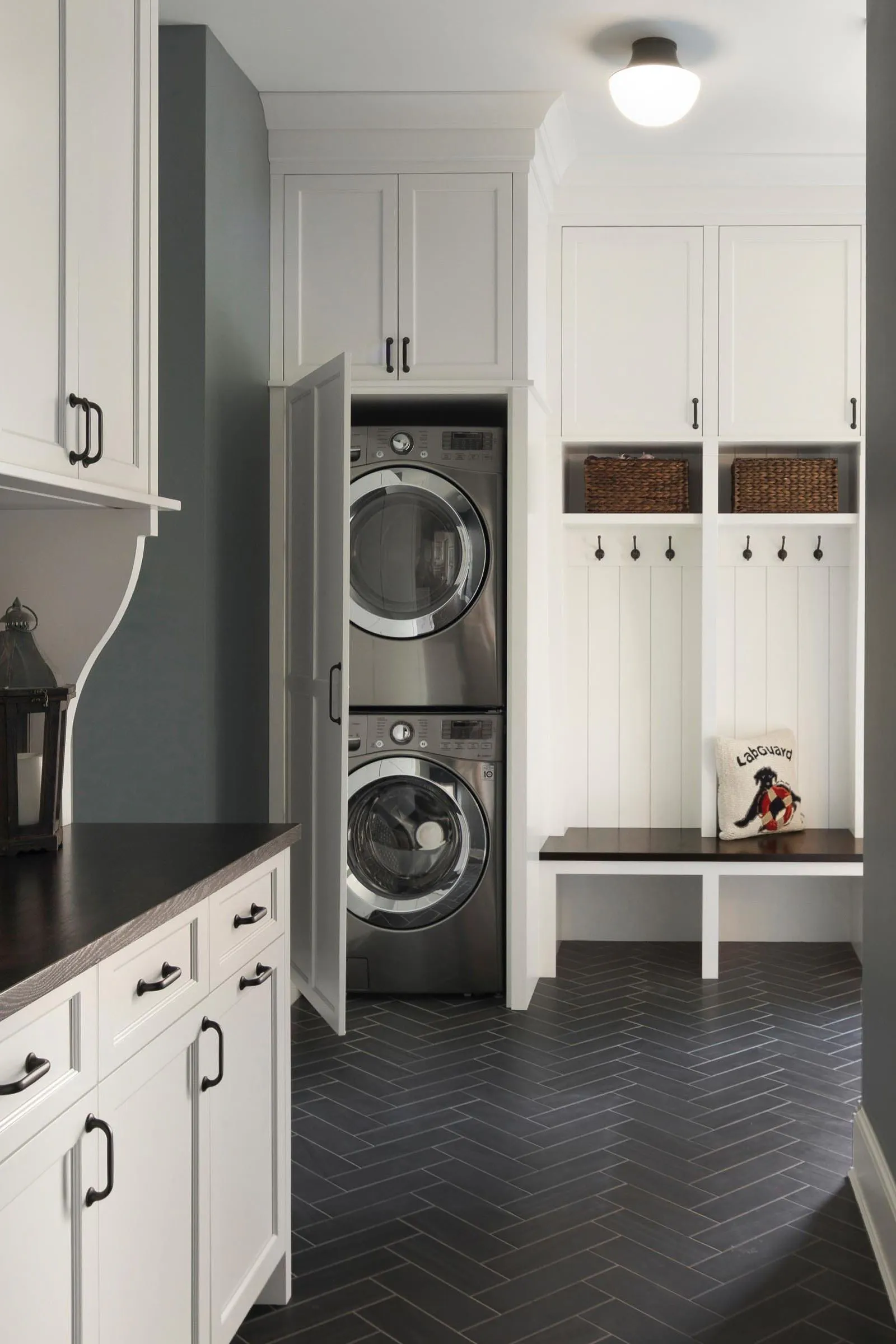
Multi-Purpose by Nature
Today’s mudrooms do far more than store shoes and coats. They often become overflow storage, drop zones, pet stations, charging areas, and household organization hubs.
The best mudrooms are designed around routines.
Designer Insight:
People underestimate the amount "stuff" they have (or will have). When you are designing a mudroom, you need storage that can evolve over time.
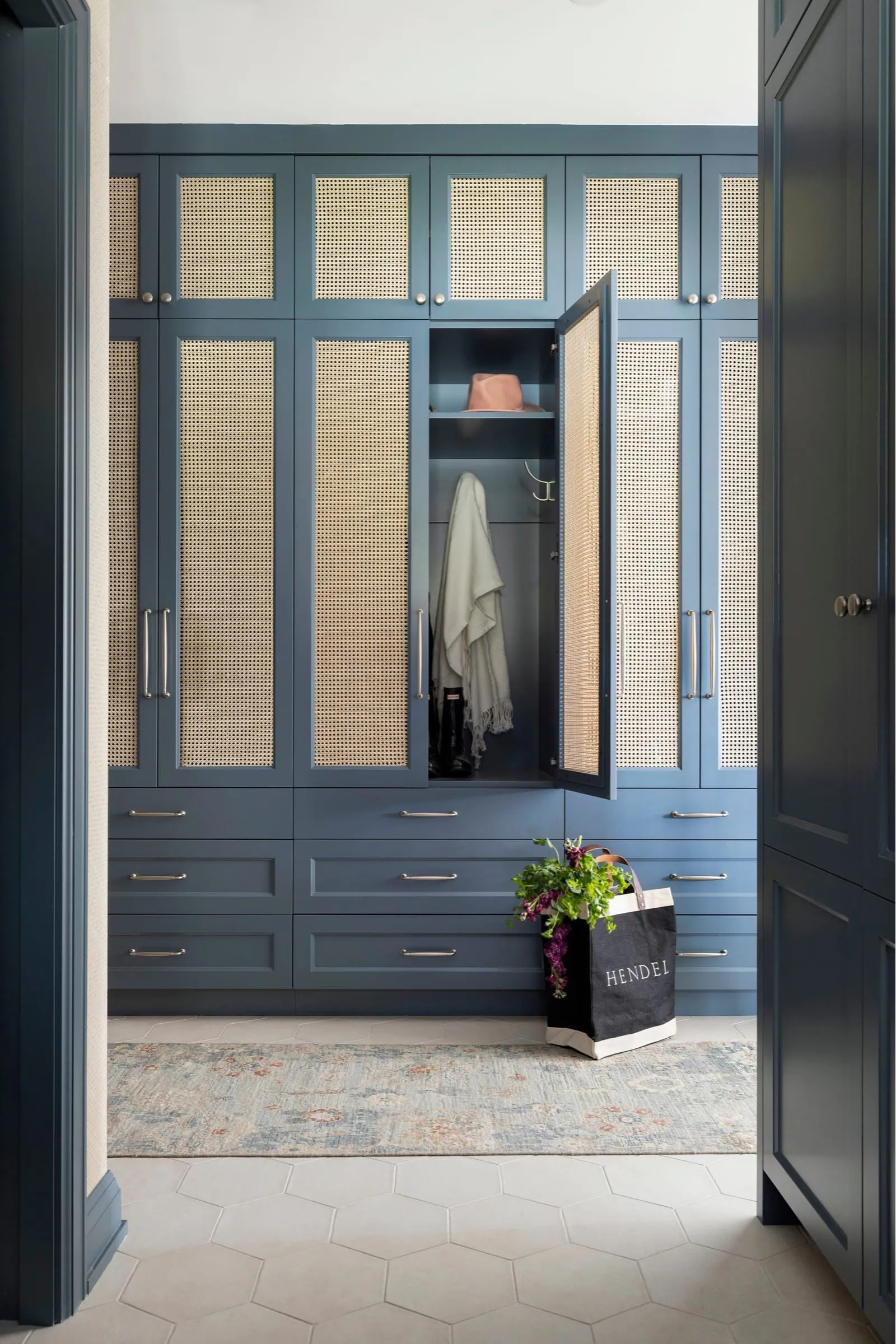
Stylish and Functional
A mudroom may be hardworking, but it’s also one of the first impressions of the home.
Thoughtful details can make the space feel connected to the overall design rather than purely functional.
Designer Insight:
Mudrooms are one of the few spaces where durability and design need equal attention. If materials are too delicate, they won’t hold up over time. But if everything is purely utilitarian, the room can start to feel disconnected from the rest of the home.
A few ways to make the space feel more intentional:
• Add wallpaper or statement tile
• Use furniture-style cabinetry
• Incorporate layered lighting
• Treat the mudroom like a designed space, not an afterthought